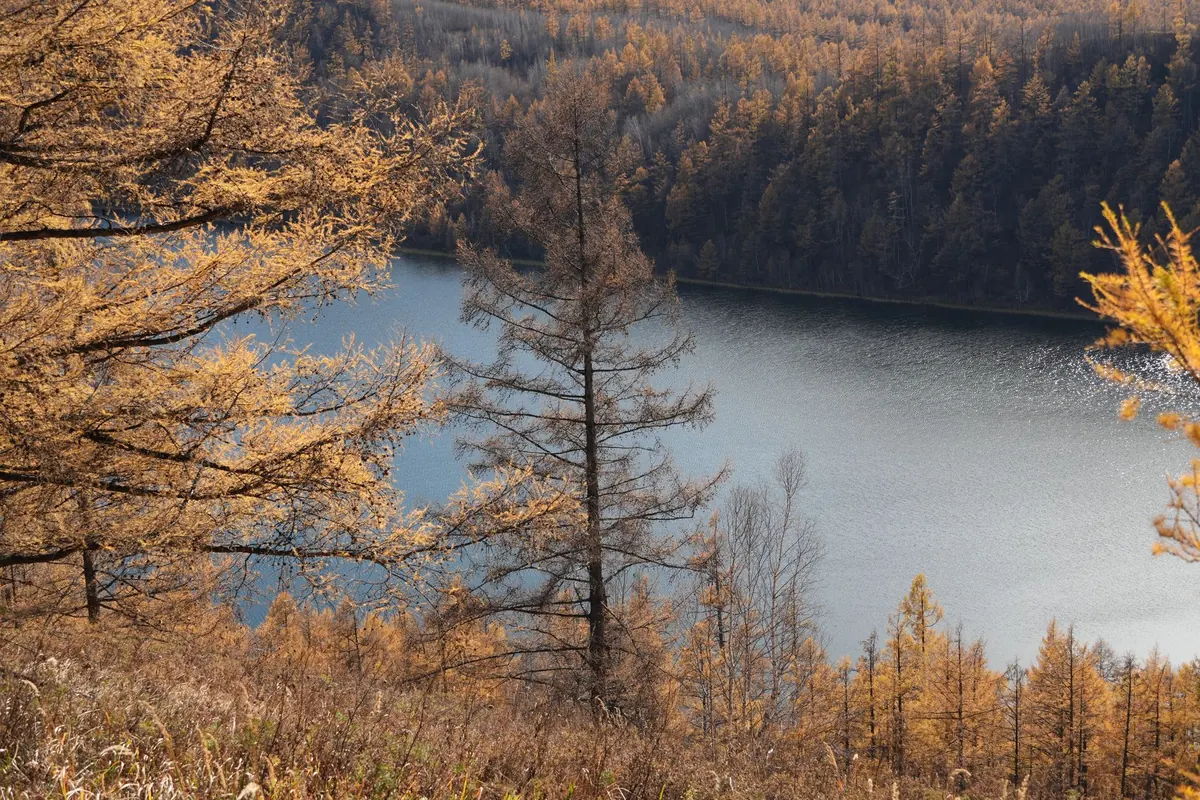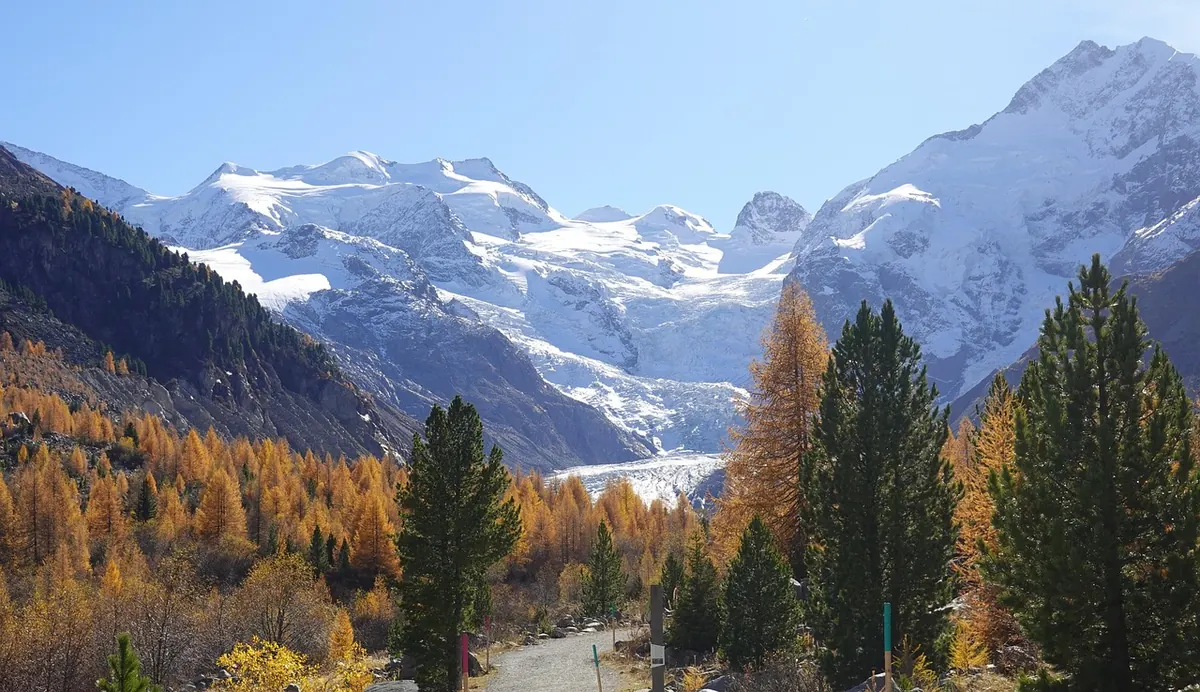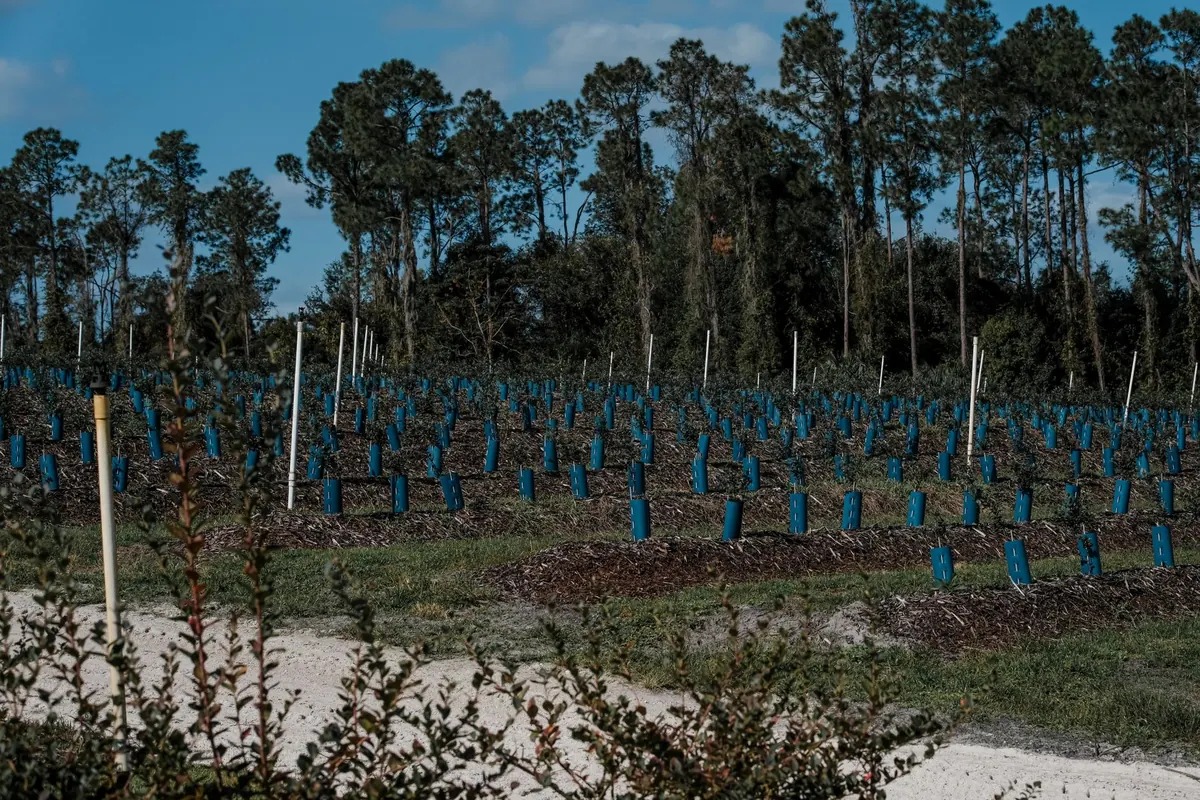
Larch is one of the most useful trees you can plant in Britain. It is a deciduous conifer: soft green needles in spring, a light canopy in summer, then a turn to gold before they fall. Unlike most conifers, it does not keep its needles through winter, so it lets light and air reach the ground beneath. But larch is also a tree with opinions. Get the site, spacing and aftercare right, and it will grow away strongly. Get them wrong, and you will spend years watching a weak, wind-battered sapling. This guide covers the practical side: where to put it, how to plant bare-root or potted stock, and what to do in the first few seasons.
The right site for a larch
Larch dislikes both drought and waterlogging. It wants full sun and a deep, moist but free-draining soil. European larch (Larix decidua) prefers a good loam. Japanese larch (Larix kaempferi) is a little more forgiving of poorer, drier ground, and hybrid larch (Larix x eurolepis) is vigorous on decent sites. On thin chalk, heavy clay that sits wet in winter, or compacted ground, growth is often poor. If that is what you have, improve a wide planting pocket with well-rotted compost, or choose a different tree.
Full sun is ideal. In heavy shade, larch becomes leggy and sparse. Shelter from strong winds helps young trees establish, especially on exposed coasts and upland sites. Avoid frost pockets, where cold air collects; larch flushes early, and late frost can blacken new growth. Keep it well away from drains, patios and foundations. A mature larch can eventually reach 20–30 m, with roots spreading well beyond the canopy. For a garden specimen, allow at least 8–10 m from buildings and 6–8 m from other large trees.
Bare-root or potted, and when to plant
Bare-root trees
Bare-root larch is cheaper, lighter to carry, and often available in a wider range of sizes. The roots are lifted from the nursery bed while dormant and stored without soil. Plant within a few days if you can. If you cannot, heel the roots into a spare patch of soil or a pot of damp compost. Soak the roots in a bucket of water for an hour before planting if they look dry.
Potted trees
Potted larch is heavier and more expensive, but the rootball is intact and the planting window is wider. You can plant from autumn through to spring, and even in summer if you water diligently, though dormant planting is still better. Check for roots circling the pot and tease them out before planting. A pot-bound larch will struggle to spread.
Timing
Bare-root larch is best planted from November to March, while it is dormant. Avoid frozen ground, waterlogged soil, or a day when the soil sticks to your boots. Potted trees can go in almost any time the ground can be worked, but autumn and early spring are kindest. Never plant into dry, dusty soil and then leave the tree to fend for itself.
Preparing the ground and planting step by step
- Clear a circle at least 1 m across. Remove grass, weeds and their roots. Larch hates competition when young.
- Dig a hole twice as wide as the root system and just as deep. Fork the bottom and sides to loosen compacted soil.
- If the soil is poor, mix a bucket of well-rotted compost or leafmould into the backfill. Do not add strong fertiliser; it can burn new roots.
- For bare-root: make a cone of soil in the hole, spread the roots over it, and backfill in layers, firming gently as you go. The old soil mark on the trunk should sit at ground level.
- For potted: water the pot thoroughly, slide the tree out, and tease out any circling roots. Place it so the top of the rootball is level with the surrounding soil. Backfill, firm, and check the tree is upright.
- Water well, even if rain is forecast. A slow soak is better than a quick splash.
- Mulch with 5–7 cm of well-rotted bark, compost or leafmould. Keep the mulch 10 cm clear of the trunk.
- If the site is exposed or the soil shallow, stake the tree. Use a flexible tie and check it each year. Remove the stake after two or three years. Fit a spiral guard or mesh against rabbits and deer.
Spacing: give it room to become a tree
- Garden specimen: allow 8–10 m from buildings and 6–8 m from other large trees. Larch is not a small tree; a tiny garden will eventually feel crowded.
- Small group or avenue: plant 6–8 m apart if you want each tree to develop a full canopy.
- Shelterbelt: 2–3 m between trees, with rows 3–4 m apart. You will need to thin later as the trees compete.
- Woodland or timber: 2–2.5 m square spacing is common at planting, thinning to 5–6 m as the trees grow. Larch needs light; overcrowding leads to weak, drawn stems.
- Mixed planting: keep larch 4–6 m from slower, smaller trees so it does not swamp them.
These are starting points, not rules. Rich soil and high rainfall push growth; thin, dry soils slow it. Watch the trees and thin before they touch.
Aftercare in the first three years
- Watering: For the first two or three summers, water deeply once a week in dry spells. Sandy soils may need more; clay soils less. Little and often encourages shallow roots.
- Weeding: Keep a 1 m circle clear of grass and weeds for at least three years. This is the single most useful thing you can do.
- Mulching: Top up the mulch each spring. Keep it away from the trunk to avoid rot.
- Staking: Check ties in spring and autumn. Loosen them as the trunk thickens. Remove the stake once the tree stands firm on its own.
- Pruning: Larch needs little pruning. Remove dead, damaged or crossing branches. If you must shape a young tree, do it in late summer to reduce sap bleed. Avoid heavy pruning into old wood.
- Feeding: Usually unnecessary. If growth is poor, improve the soil with mulch rather than reaching for a high-nitrogen feed.
- Pests and disease: Rabbits and deer are the main early threats. Watch for sudden dieback, resinous cankers or thinning crowns. Larch is affected by Phytophthora ramorum in some parts of the UK, and there are statutory controls in certain areas. If you suspect it in a woodland or shelterbelt, report it to the relevant plant health authority rather than moving timber or plants around.
A final check before you plant
Before you dig, run through this short list:
- Is the spot in full sun and free-draining?
- Can you keep it weed-free for three years?
- Have you allowed enough space for a 20–30 m tree?
- Are the roots moist and ready to go in?
- Do you have mulch, a stake, a tie and a guard?
If the answers are yes, plant with confidence. Larch is quick to reward good preparation. Give it light, air and room, keep the weeds down, and it will settle in fast, putting on height within a few seasons. The gold autumn colour and the soft green spring needles are worth the wait.